Facial Contouring Surgery: A Comprehensive Guide to Surgical Methods, Revision Surgery, and Risks

Facial contouring surgery has become one of the most sought‑after procedures in South Korea, especially among individuals who want a more balanced, refined, and harmonious facial appearance.
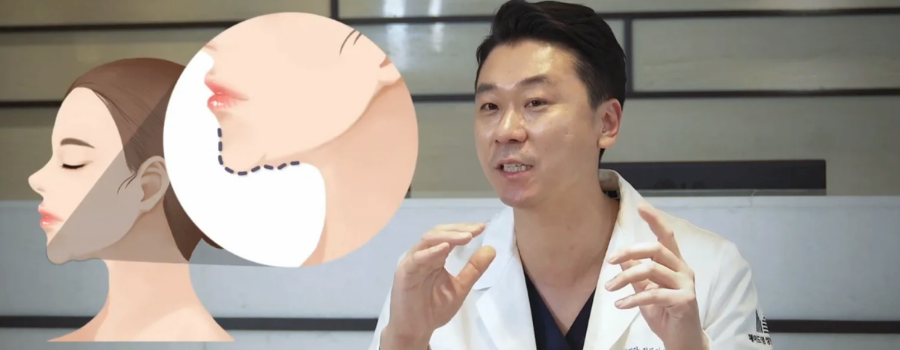
This article is based on detailed explanations provided by Director Beom‑Shin Seo of Made Young Plastic Surgery, who shared his professional insights to help readers clearly understand facial contouring surgery in Korea. His explanations cover essential topics such as surgical methods, revision surgery, potential risks, recovery stages, and how to choose the right clinic.
Facial contouring is not simply about shaving or reducing bone. It is a highly sophisticated procedure that requires a deep understanding of facial anatomy, nerve pathways, jaw function, bite alignment, muscle activity, skin thickness, and even habitual movements.
Director Seo emphasizes that “the goal of facial contouring is not to make the face smaller, but to create natural harmony and functional balance that suits each individual.”
This guide is written to help readers gain a clear and structured understanding of how facial contouring is performed in Korea.
🔷 What Is Facial Contouring Surgery?
Facial contouring surgery involves reshaping the facial bones to improve overall balance and proportion. In Korea, several types of contouring procedures are commonly performed:
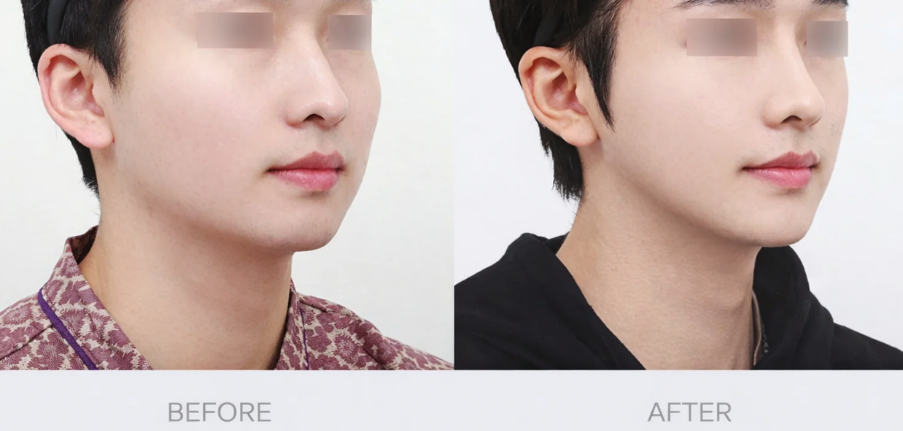
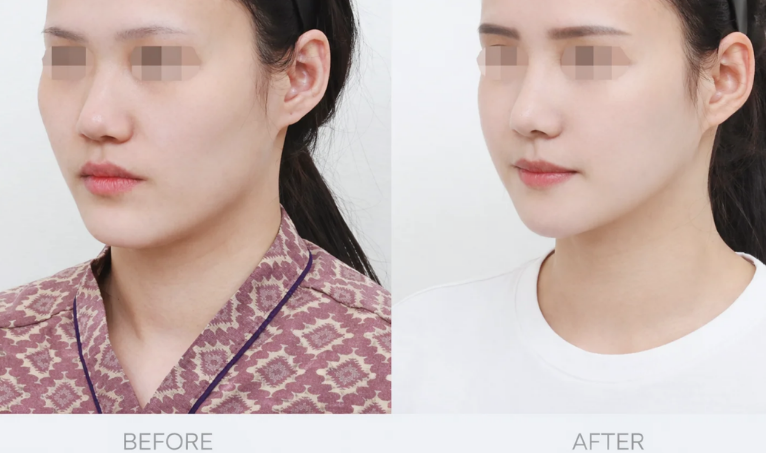
🔸 Mandible Angle Reduction (Square Jaw Surgery)
This procedure softens a prominent or angular jawline.
Korean surgical philosophy favors smooth, natural curves rather than excessive bone removal, ensuring the jawline looks refined without appearing unnatural.
🔸 Zygoma Reduction (Cheekbone Reduction)
This surgery reduces protruding cheekbones by repositioning or trimming the zygomatic bone.
It improves both the frontal width of the face and the side profile, creating a more harmonious facial structure.
🔸 Genioplasty (Chin Reshaping)
The chin plays a crucial role in facial proportion.
Genioplasty adjusts the chin’s length, width, and projection to create a stable and balanced center point for the face.
🔸 Orthognathic‑Based Contouring
This advanced procedure corrects both bite alignment and facial shape.
It is ideal for individuals with functional issues such as malocclusion, jaw asymmetry, or TMJ discomfort.
Director Seo explains that “facial contouring is not about shaving bone randomly—it is about rebalancing the entire facial structure.”
🔷 Key Evaluations Before Surgery
Director Seo highlights several essential assessments that must be completed before planning facial contouring surgery:
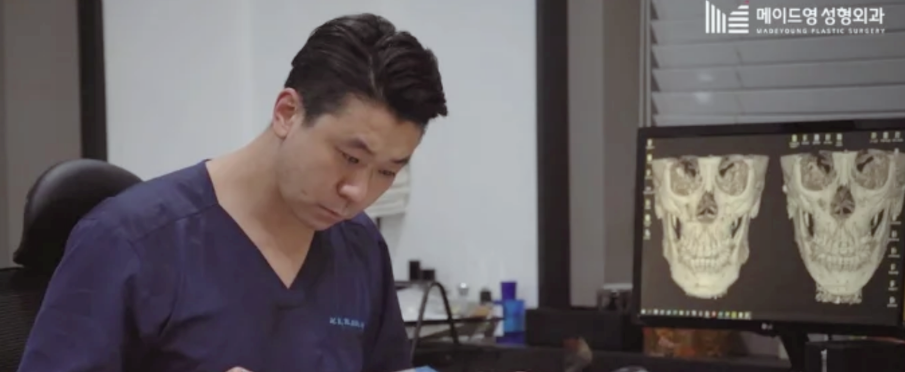
- CT scan analysis of bone structure
- Precise mapping of nerve pathways
- Evaluation of bite alignment and jaw joint function
- Assessment of skin thickness, fat volume, and muscle development
- Diagnosis of facial asymmetry
Asymmetry is often misunderstood as a bone‑only issue.
In reality, it can be caused by muscle imbalance, dental alignment, habitual chewing patterns, or even lifestyle habits.
Therefore, correcting asymmetry requires a highly detailed and individualized surgical plan.
🔷 When Is Revision Surgery Needed?
Revision facial contouring surgery is more common than many people expect.
Director Seo explains that revision may be necessary in the following situations:
- Excessive bone removal resulting in an overly narrow jaw
- Worsened facial asymmetry
- Cheekbones positioned unnaturally or disproportionately
- Chin that appears too long, too short, or poorly shaped
- Bite changes that cause discomfort or chewing difficulties
Revision surgery is significantly more complex than the first operation because the bone has already been altered.
Remaining bone thickness, nerve location, and soft‑tissue elasticity must be analyzed with extreme precision.
Director Seo emphasizes:
“Revision surgery requires careful planning from the very beginning. The first decision is always the most important.”
🔷 Risks and Considerations
Facial contouring surgery carries certain risks due to its complexity:
🔸 Nerve Damage
Temporary or prolonged numbness may occur if nerves are irritated or injured.
🔸 Bleeding and Hematoma
Post‑operative care is crucial to prevent complications.
🔸 Worsened Asymmetry
Incorrect bone removal or repositioning can make asymmetry more noticeable.
🔸 Skin Sagging
When bone volume is reduced, excess skin may sag.
🔸 Bite Changes
Alterations in jaw structure can affect chewing and jaw joint comfort.
Director Seo stresses that choosing an experienced surgeon significantly reduces these risks.
🔷 Recovery Timeline
Readers often want to know how long recovery takes.
Director Seo outlines the typical healing process:
- Week 1: Swelling and bruising peak
- Weeks 2–4: Daily activities become easier; swelling gradually decreases
- Month 3: Facial contour begins to stabilize
- 6 months to 1 year: Final contour becomes visible
Proper aftercare—such as swelling management, diet control, and inflammation prevention—is essential for optimal healing.
🔷 Key Messages from Director Seo
Director Seo highlights several important principles for anyone considering facial contouring surgery:
- Facial harmony requires both functional and aesthetic balance
- Excessive bone removal can lead to unnatural results
- Asymmetry is a complex structural issue, not just a bone problem
- Revision surgery is more difficult, so the first choice matters most
- A surgeon’s experience, philosophy, and approach greatly influence outcomes
He explains:
“Facial contouring is not about creating a smaller face—it is about finding a face that maintains natural harmony and functional stability.”
Facial contouring surgery can dramatically improve facial balance, but it requires careful planning and an experienced surgeon.
Director Seo advises patients to choose a clinic that offers precise analysis, personalized planning, and comprehensive aftercare.
The true goal of facial contouring is to achieve a face that feels natural, balanced, and uniquely yours.
🔷 Made Young Plastic Surgery Official Page