
Gut health affects far more than digestion alone.
Symptoms such as post‑meal bloating, frequent diarrhea, abdominal fullness, and sensitivity after drinking are often signs that the body’s internal balance is disrupted.
In many cases, these issues stem from an imbalance in the gut microbiome — the community of beneficial and harmful bacteria living inside the intestines.
However, people often dismiss these symptoms as simple indigestion.
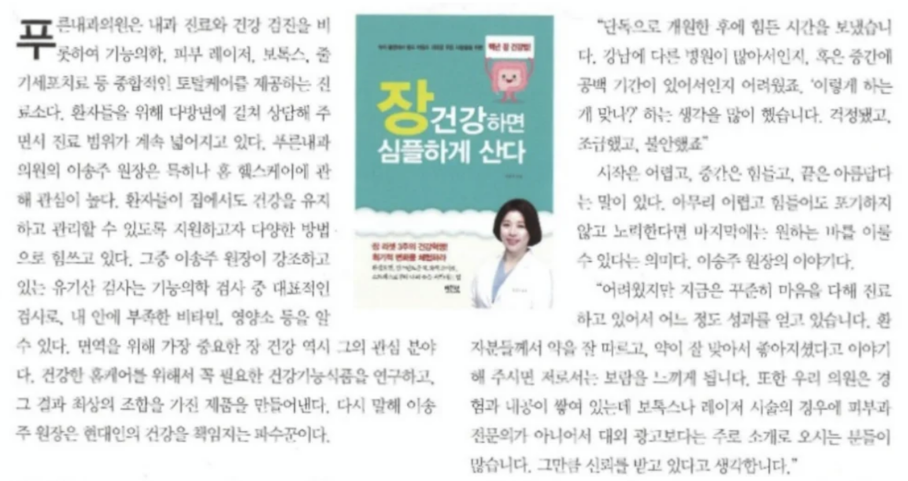
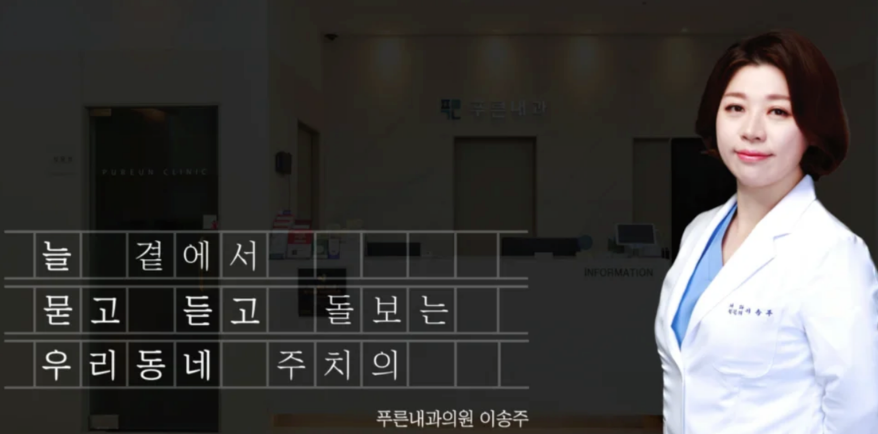
This article is based on an interview with Dr. Lee Song‑joo of Gangnam Pureun Internal Medicine Clinic, summarizing practical strategies that can help reduce gut discomfort and restore healthy gut function.
🟦 1. The Core of Gut Health: Balance in the Gut Microbiome
The gut contains both beneficial bacteria and harmful bacteria.
When this balance is disrupted, the body may experience:
- Poor digestion
- Reduced immunity
- Increased fatigue
- Skin problems
- Persistent abdominal discomfort
Dr. Lee emphasizes:
“Creating an environment where beneficial bacteria can thrive is the foundation of gut health.”
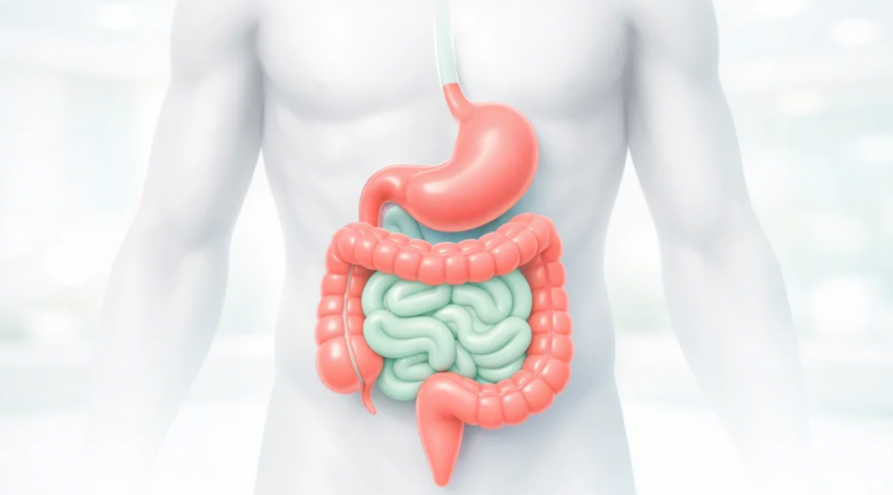
✔ Foods that support beneficial bacteria
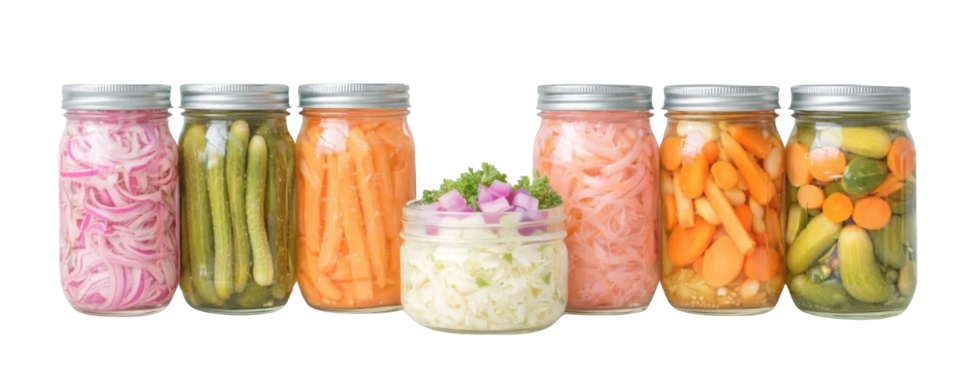
- Dietary fiber
- Vegetables
- Fruits
- Whole grains
✔ Foods that promote harmful bacteria
- Greasy foods
- Meat‑heavy diets
- Frequent alcohol consumption
Modern eating habits often favor meat, fried foods, and refined carbohydrates, making it easy for harmful bacteria to grow.
Meanwhile, many people consume far less dietary fiber than recommended.
Dr. Lee notes that 25g or more of fiber per day can significantly improve gut conditions.
🟦 2. Signs That Harmful Bacteria May Be Increasing
If you frequently experience the following symptoms, your gut microbiome may be imbalanced:
- Excessive gas and bloating after meals
- Alternating diarrhea and constipation
- Slow digestion and heaviness in the stomach
- Frequent burping
- Abdominal distension
These symptoms indicate more than simple indigestion — they often reflect instability in the gut environment.
Alternating diarrhea and constipation is especially common when the microbiome is disrupted.
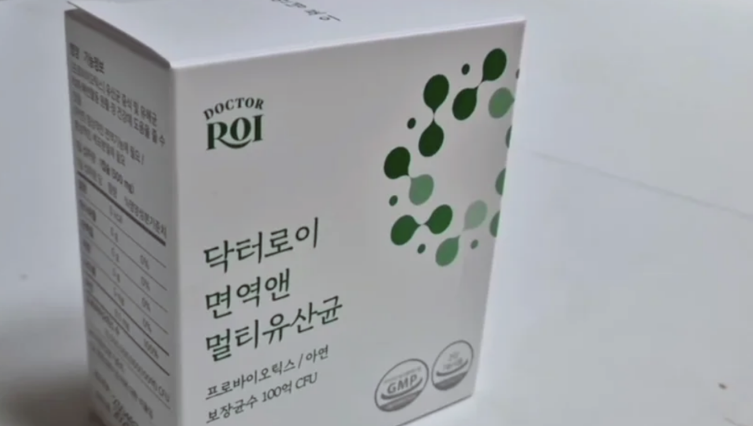
In such cases, probiotics may help, and Dr. Lee recommends consistent daily intake.
🟦 3. The Fastest Way to Damage Gut Health: Alcohol
Dr. Lee is very clear about the impact of alcohol:
“Alcohol wipes out gut bacteria almost like a disinfectant.”
The problem is that harmful bacteria tend to regrow faster than beneficial ones.
This is why the gut becomes extremely sensitive the day after drinking.
✔ Recommended drinking guidelines
- 1–2 times per month
- Less than one bottle total, regardless of type
Many people mistakenly think “one bottle per type” is acceptable — one bottle of beer, one bottle of soju, one bottle of wine.
But the guideline refers to combined total.
Dr. Lee adds that reducing alcohol alone often leads to dramatic improvement in gut symptoms.
🟦 4. Why the Gut Becomes Sensitive After Drinking: Functional vs. Bacterial Enteritis
Many people struggle with diarrhea, nausea, and stomach discomfort after company dinners.
Dr. Lee explains that enteritis generally falls into two categories:
✔ Functional enteritis
- Greasy food + alcohol
- Diarrhea and abdominal pain
- Symptoms improve when you stop eating temporarily
✔ Bacterial enteritis
- Caused by spoiled or contaminated food
- Fever, chills, body aches
- Diarrhea continues even without eating
- May require antibiotics
Most post‑drinking gut issues are functional enteritis, which improves with rest and hydration.
However, bacterial enteritis requires medical evaluation.
🟦 5. Why IV Therapy Helps with Acute Gut Trouble
During acute gastritis or enteritis, IV therapy often works faster than oral medication.
✔ Benefits of IV therapy
- Rapid hydration
- Stabilizes stomach and intestinal function
- Reduces nausea
- Improves overall fatigue
It is especially helpful after drinking when symptoms include:
- Nausea
- Diarrhea
- Weakness
- Dehydration
✔ Why hangover IVs are effective
The amino acid aspartic acid, known for its presence in bean sprout soup (a traditional Korean hangover remedy), is also used in IV formulations.
This makes IV therapy particularly effective when hangover and gut discomfort occur together.
Dr. Lee explains that IV therapy not only helps with fatigue but also supports gut recovery.
🟦 6. Dr. Lee’s Key Recommendations for People with Frequent Gut Trouble
- Increase dietary fiber intake
- Take probiotics consistently
- Limit alcohol to 1–2 times per month, less than one bottle total
- Identify functional vs. bacterial enteritis based on symptoms
- Consider IV therapy for dehydration, severe diarrhea, or body aches
Dr. Lee also highlights the importance of stress management, as stress can disrupt gut motility and microbiome balance.
Regular sleep, moderate exercise, and adequate hydration are essential for maintaining gut health.
🟦 7. Frequently Asked Questions (F&A)
Q1. Should I visit a clinic if gut trouble keeps recurring?
If symptoms persist or interfere with daily life, professional evaluation is recommended.
Q2. Who benefits most from probiotics?
People with bloating, gas, diarrhea, or constipation may find probiotics helpful.
Q3. Is drinking only 1–2 times a month really necessary?
For gut health, this is the recommended guideline, regardless of alcohol type.
Q4. What should I eat during enteritis?
If symptoms improve when you stop eating, it may be functional enteritis.
If diarrhea continues even without food, bacterial enteritis is possible.
Q5. Does IV therapy help when the gut is extremely sensitive after drinking?
Yes. IV therapy can rapidly improve dehydration, acute gastritis, and enteritis symptoms.
🔗 Gangnam Pureun Internal Medicine Clinic