
Being told you have an ovarian cyst can be worrying, especially if you start searching online and come across alarming information. However, ovarian cysts are extremely common among women, and many of them disappear naturally without any treatment. The key is understanding what type of cyst you have and whether it requires monitoring or medical intervention.
As a Korean gynecologist, I will walk you through how ovarian cysts are diagnosed and treated in Korea, using the same explanations I give to my patients in the clinic.
What Is an Ovarian Cyst?
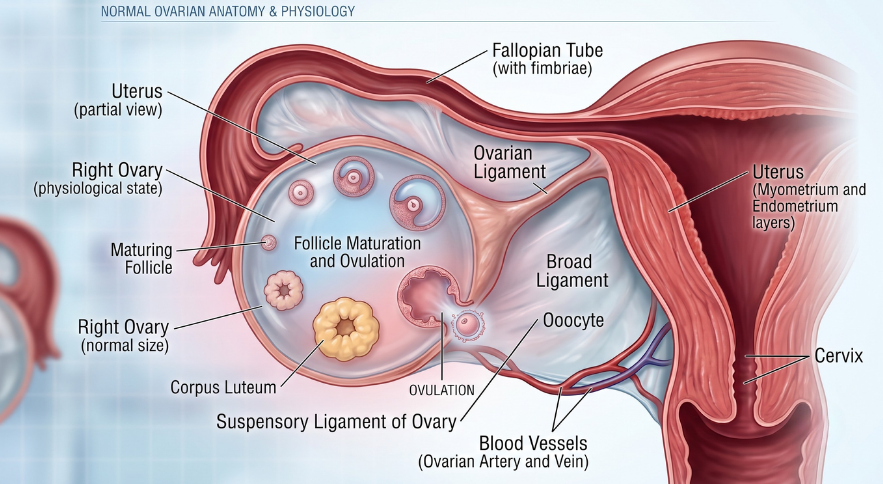
An ovarian cyst is a fluid-filled sac that forms on or inside the ovary.
There are many types of ovarian cysts, but the most common are functional ovarian cysts, which develop naturally during the menstrual cycle.
Functional cysts often resolve on their own within a few weeks or months.
However, not all cysts are functional. Some may contain solid components, have thick walls, or grow rapidly. These characteristics require closer evaluation because they may indicate a pathologic ovarian cyst.
Cysts found after menopause are more concerning, as the ovaries no longer produce eggs. In these cases, Korean specialists typically recommend more detailed testing.
Common Symptoms of Ovarian Cysts
Many ovarian cysts cause no symptoms at all.
However, some women may experience:
- Lower abdominal pain or pressure
- Irregular menstrual cycles
- Pain during intercourse
- Bloating or fullness
- Pain during bowel movements
- Sudden severe pain (possible ovarian torsion)
Ovarian torsion occurs when the ovary twists around its blood supply.
This is a medical emergency and requires immediate treatment.
How Ovarian Cysts Are Diagnosed in Korea
Korea is known for its advanced medical imaging technology and highly trained gynecologists.
This allows for very accurate diagnosis of ovarian cysts.
1. Transvaginal Ultrasound
The primary tool for diagnosing ovarian cysts is the transvaginal ultrasound.
This test provides a clear view of the ovaries and helps determine:
- Size of the cyst
- Internal structure (fluid vs. solid)
- Wall thickness
- Blood flow patterns
- Presence of septations or nodules
- Condition of both ovaries
Korean specialists use these details to determine whether the cyst is functional or requires further evaluation.
2. Blood Tests (CA‑125 and others)
CA‑125 is a tumor marker often associated with ovarian cancer.
However, elevated CA‑125 does not automatically mean cancer.
It can also rise due to:
- Menstruation
- Endometriosis
- Pelvic inflammatory disease
Therefore, blood tests are used as supportive information, not as the sole diagnostic tool.
3. Additional Imaging
If needed, doctors may order:
- MRI
- CT scan
- Hormonal tests
- Ovarian reserve tests
These help clarify the nature of the cyst and guide treatment decisions.
When Does an Ovarian Cyst Require Treatment?
Not all ovarian cysts need treatment.
However, intervention is recommended when:
- The cyst is larger than 5 cm
- Solid components are present
- Ovarian torsion is suspected
- The cyst persists or grows over time
- The patient is postmenopausal
- The cyst causes significant pain
- Fertility may be affected
Ovarian torsion is an emergency and requires immediate surgery.
Treatment Options for Ovarian Cysts in Korea
1. Observation (Follow-up)
Functional cysts often resolve naturally.
Korean clinics typically schedule follow-up ultrasounds every 1–3 months to monitor changes.
2. Medication
There is no medication that directly removes ovarian cysts.
However, hormonal therapy can:
- Regulate ovulation
- Reduce recurrence
- Improve symptoms
Pain relievers or anti-inflammatory medications may also be used.
3. Laparoscopic Surgery
Surgery is recommended when:
- The cyst is large
- Solid components suggest a tumor
- Ovarian torsion occurs
- The cyst repeatedly returns
- Fertility is affected
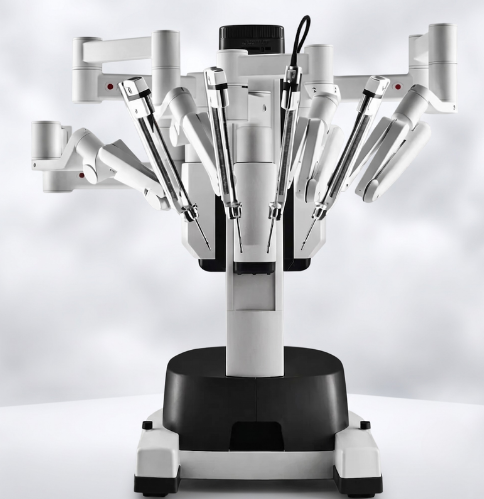
Korea commonly uses laparoscopic surgery, which involves small incisions, minimal scarring, and fast recovery.
Complications of Untreated Ovarian Cysts
If left untreated, ovarian cysts may lead to:
- Ovarian torsion → loss of ovarian function
- Chronic pelvic pain
- Infertility risks
- Rare malignant transformation
- Cyst rupture causing acute pain
Regular monitoring is essential to prevent complications.
Where to Receive Ovarian Cyst Care in Korea
Korea has many excellent gynecology clinics specializing in ovarian cyst diagnosis and treatment.
One trusted option is ChoiSang Women’s Clinic, known for its expertise in women’s health and advanced diagnostic equipment.
🌸 Recommended Clinic for Ovarian Cyst Care
🔗 For accurate ovarian cyst diagnosis and personalized treatment, visit ChoiSang Women’s Clinic.