
High‑Precision Body Contouring, Complications, Fat Grafting Differences, and Essential Pre‑Op Insights
This article is based on an interview with Dr. Seil Beom, Chief Director of Marble Plastic Surgery.

Liposuction surgery is not simply a procedure to remove fat. It is a high‑precision body contouring technique that requires a detailed evaluation of fat layer structure, skin elasticity, muscle thickness, lifestyle habits, and age. Many people misunderstand liposuction as a quick weight‑loss method, but its true purpose is to reshape body lines, improve proportions, and enhance silhouette harmony.
Modern liposuction surgery involves advanced technologies, refined surgical planning, and strict postoperative care. When performed correctly, liposuction can permanently reduce fat cells and create long‑lasting contour improvements. However, when performed incorrectly—especially when the superficial fat layer is damaged—complications such as unevenness, adhesions, and skin laxity can occur. These issues are extremely difficult to correct, making proper planning and surgeon experience essential.
This guide explains the principles of liposuction surgery, differences from fat grafting, common complications, the role of age and skin elasticity, and the postoperative care required for long‑term success.
🟪 What Is Liposuction Surgery?
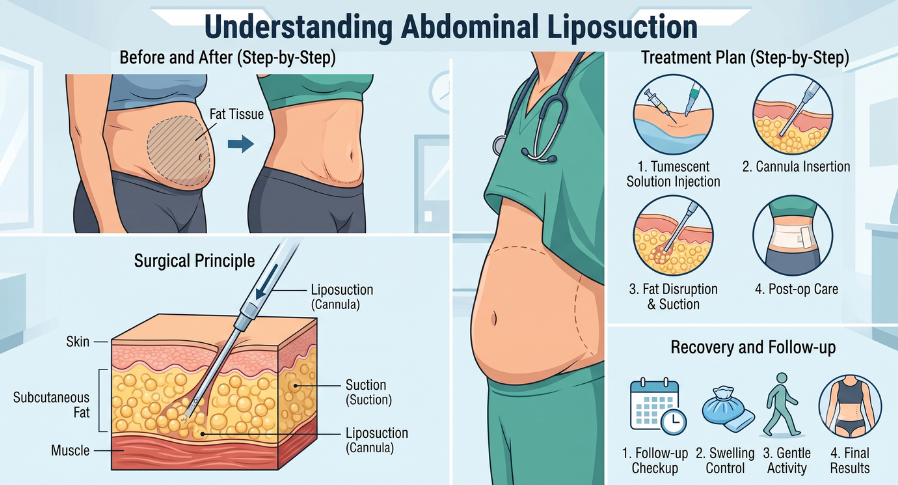
Liposuction is a surgical procedure that removes fat using negative‑pressure suction.
The fat layer between the skin and muscle varies in thickness and structure among individuals, which means liposuction must be customized for each patient.
▶ How Liposuction Works
- Tumescent solution injection
- Expands the fat layer
- Creates a safe working space
- Minimizes bleeding
- Helps separate fat cells
- Mechanical fat separation
- Suction using negative‑pressure devices
The tumescent phase is the foundation of liposuction surgery. Proper infiltration ensures smoother fat removal, safer tissue handling, and more predictable contouring.
🟪 Liposuction vs. Fat Grafting Liposuction
Although both procedures involve removing fat, their goals and techniques are completely different.
▶ Purpose of Liposuction
- Remove as much fat as possible
- Sculpt body lines
- Reduce the number of fat cells
- Use devices such as suction machines, laser lipolysis, ultrasound, and power‑assisted tools
Liposuction focuses on maximum fat removal and contour refinement.
▶ Purpose of Fat‑Grafting Liposuction
- Preserve fat cell viability
- Harvest fat with minimal damage
- Avoid mechanical suction
- Mostly performed manually
For example, buttock fat grafting requires large volumes of fat to be extracted manually because machine suction can damage fat cells and reduce graft survival.
🟪 Key Factors That Determine Liposuction Results
Liposuction cannot be performed based on circumference alone.
Three anatomical factors vary significantly among individuals:
▶ Essential Evaluation Points
- Muscle thickness
- Fat layer thickness
- Skin elasticity
- Desired contour design
Even if two people have the same thigh circumference, their fat layer thickness may differ dramatically.
This is why liposuction surgery must be tailored to each patient’s anatomy.
🟪 Why Liposuction Complications Occur
The most common complication is unevenness (irregular contouring).
Once it occurs, revision surgery becomes extremely difficult.
▶ Deep Fat vs. Superficial Fat
The fat layer consists of:
- Deep fat → safe to remove
- Superficial fat → must be preserved
If the superficial layer is damaged:
- Muscle outlines become visible
- Skin surface becomes uneven
- Depressions or bulges appear
Additionally, poor postoperative care can cause the remaining superficial fat to enlarge, leading to sagging and irregular texture.
🟪 Age and Skin Elasticity: The Most Critical Predictors
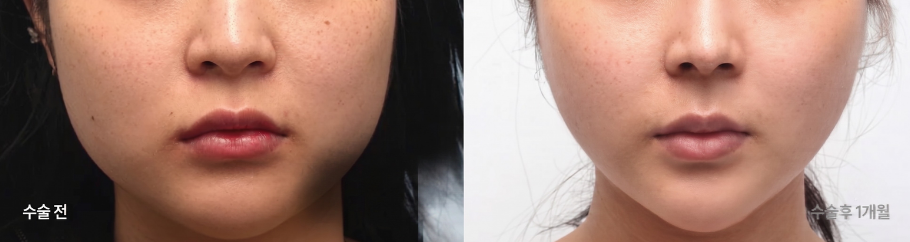
Although liposuction removes fat, the final result depends on how well the skin contracts afterward.
▶ Skin Elasticity Differences
- Good elasticity → smooth, tight skin
- Poor elasticity → sagging and wrinkles
- Post‑pregnancy abdomen → minimal contraction
Older patients require more careful evaluation because skin elasticity naturally decreases with age.
🟪 Why Postoperative Care Determines Long‑Term Success
Liposuction reduces the number of fat cells, but lifestyle habits determine whether the remaining fat cells enlarge again.
▶ Habits That Cause Post‑Lipo Weight Gain
- Binge eating
- Late‑night meals
- Excessive alcohol
- Lack of exercise
These habits enlarge the superficial fat layer, causing sagging and unevenness.
Dr. Seil Beom emphasizes that liposuction surgery provides the best results only for patients committed to maintaining healthy habits.
🟪 Frequently Asked Questions (FAQ)
● Will fat return after liposuction?
Fat cell count decreases permanently, but remaining fat cells can enlarge if lifestyle habits are poor.
● Why is fat‑grafting liposuction different?
Liposuction aims to remove fat; fat grafting aims to preserve fat cell viability.
Thus, the techniques and devices differ completely.
● What causes unevenness?
Superficial fat damage, poor skin elasticity, or inadequate postoperative care.
● Does age affect liposuction results?
Yes. Reduced elasticity increases the risk of sagging and irregular texture.
● What is the most important postoperative care?
Compression garments, lifestyle improvement, weight control, and regular exercise.
🔗 Marble Plastic Surgery Website