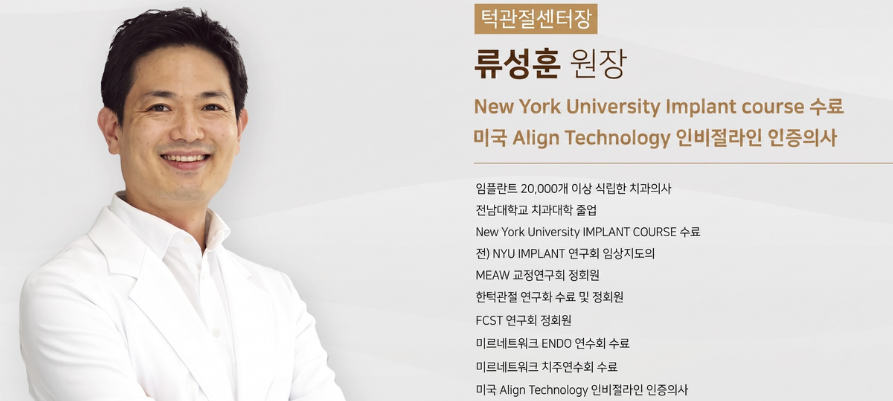

Bone graft implant treatment is one of the most advanced procedures in modern implant dentistry. While it is performed in many countries, Korea has become a global leader thanks to its surgical precision, diagnostic technology, and high success rates. This article is based on an interview with Dr. Ryu Seonghun of Balance Dental Clinic in Korea, who has extensive experience treating complex cases that require bone reconstruction before implant placement. His clinical insights clarify when bone grafting is truly necessary and how safe, long‑term treatment decisions are made in Korean implant practice.
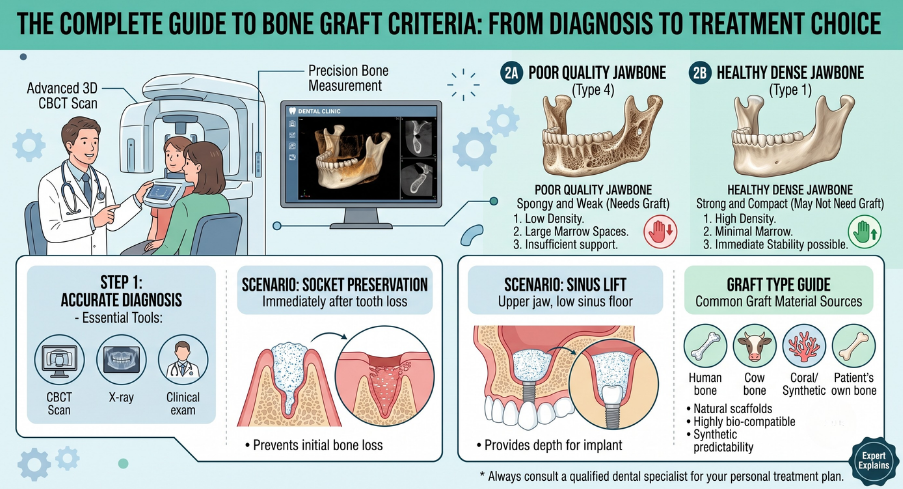
According to Dr. Ryu, “placing an implant in insufficient bone significantly increases the risk of failure and often leads to re‑surgery.” For this reason, bone grafting is not optional—it is required when the existing bone can no longer support an implant securely. In Korea, 3D imaging is used to evaluate bone quality precisely, determine whether grafting is needed, select the appropriate graft material, and choose the safest surgical technique.
🦴 1. When Is a Bone Graft Implant Necessary?
An implant must be firmly anchored into the jawbone to withstand chewing forces and long‑term use. However, many patients lack sufficient bone volume due to various conditions. Understanding these situations helps clarify why bone grafting is often essential rather than optional.
✔ Long‑term missing teeth
When a tooth is missing for several years, the surrounding bone gradually resorbs because it is no longer stimulated by chewing forces. This natural bone loss reduces the height and width needed for implant placement.
✔ Bone loss caused by periodontal disease
Advanced gum disease destroys both soft tissue and bone. Even after the infection is treated, the remaining bone may be too weak or too thin to support an implant.
✔ Trauma or injury
Accidents, sports injuries, or facial trauma can cause partial bone loss. In such cases, the bone structure becomes irregular, making implant placement difficult without grafting.
✔ Naturally thin bone structure
Some individuals are born with thin alveolar bone. Even if the tooth was lost recently, the bone may not have enough thickness to safely hold an implant.
✔ Enlarged sinus cavity in the upper jaw
The upper molar region often lacks bone due to the anatomy of the sinus. When the sinus floor is too low, a sinus lift or bone graft is required to create adequate space.
Dr. Ryu emphasizes that adequate bone volume is the foundation of implant success. Without it, implants may loosen, fail prematurely, or cause complications. Bone grafting ensures that the implant has a stable and durable base.
🧫 2. Types of Bone Grafting: Choosing the Right Method
Bone graft implant procedures vary depending on the patient’s bone condition, health status, and treatment goals. Balance Dental Clinic uses several grafting techniques tailored to each patient.
✔ Autogenous Bone Graft
This method uses the patient’s own bone, typically harvested from the jaw.
- Pros: Highest success rate, excellent integration
- Cons: Requires a donor site, increasing surgical complexity
✔ Allograft (Human Donor Bone)
Processed human bone material is used to fill the deficient area.
- Pros: Faster recovery, smaller surgical area
- Cons: Slightly lower integration rate compared to autogenous bone
✔ Synthetic Bone Graft
Artificial bone materials designed to mimic natural bone structure.
- Pros: Very stable, low infection risk
- Cons: Bone formation may be slower
✔ Sinus Lift (Maxillary Sinus Elevation)
Used when upper molar bone height is insufficient.
- Pros: Greatly increases implant success in the upper jaw
- Cons: Requires advanced surgical skill and experience
Dr. Ryu notes, “The choice of graft material and technique must be customized. No single method fits every patient.” This individualized approach ensures predictable results and long‑term stability.

🛠 3. How the Bone Graft Implant Procedure Works
Bone graft implant treatment involves multiple steps and requires precise planning. The general process includes:
1. 3D CT Scan and Bone Analysis
A detailed scan evaluates bone height, width, density, and nerve location. This step is essential for safe surgical planning.
2. Treatment Planning
The dentist selects the graft material, implant size, and placement angle. Digital planning tools help simulate the final result.
3. Bone Grafting Procedure
The deficient area is filled with graft material. The goal is to create a stable foundation that can support the implant.
4. Bone Healing Period (3–6 months)
The graft gradually integrates with natural bone. This phase is crucial for long‑term implant stability.
5. Implant Placement
Once sufficient bone volume is achieved, the implant is inserted into the newly formed bone.
6. Prosthetic Crown Placement
After osseointegration, a natural‑looking crown is attached to complete the restoration.
Dr. Ryu explains that simultaneous grafting and implant placement is possible only when bone quality is favorable. Otherwise, staged treatment is safer and more predictable.
⏳ 4. Recovery Timeline and Pain Expectations
Recovery varies depending on the graft type and surgical extent. Recent advancements have significantly shortened healing time and improved patient comfort.
✔ Healing Timeline
- Bone graft integration: 3–6 months
- Implant osseointegration: 2–4 months
- Total treatment duration: 5–10 months
✔ Pain and Swelling
- Mild swelling for 2–3 days
- Pain manageable with prescribed medication
- Most patients resume daily activities within a week
✔ Post‑operative Care
- Avoid pressure on the surgical site
- No smoking, alcohol, or hot foods
- Take medications as prescribed
- Avoid heavy exercise, sauna, and hot baths
Proper care during healing is essential for long‑term implant success.
🏥 5. How to Choose the Right Clinic for Bone Graft Implants
Because bone graft implant surgery is more complex than standard implants, choosing the right clinic is crucial.
✔ 1) Oral & Maxillofacial Surgeon
A specialist trained in jawbone, nerves, and facial anatomy ensures safer surgery.
✔ 2) 3D CT‑Based Diagnosis
Accurate bone assessment reduces complications and improves surgical precision.
✔ 3) Availability of Multiple Graft Materials
A clinic should offer various graft options to match individual needs.
✔ 4) Extensive Sinus Lift Experience
Upper jaw grafting requires advanced surgical skill and experience.
✔ 5) Long‑term Maintenance Program
Implants require ongoing care to remain stable for decades.
Choosing a clinic with proven experience and proper diagnostic tools greatly increases treatment success.

⭐ 6. Who Typically Needs Bone Graft Implants?
Bone graft implants are recommended for patients who:
- Have long‑term missing teeth
- Suffer from severe periodontal bone loss
- Previously experienced implant failure
- Need implants in the upper molar region
- Have naturally thin or insufficient bone
In these cases, grafting significantly improves implant stability and longevity.
🔗 Balance Dental Clinic Official Website