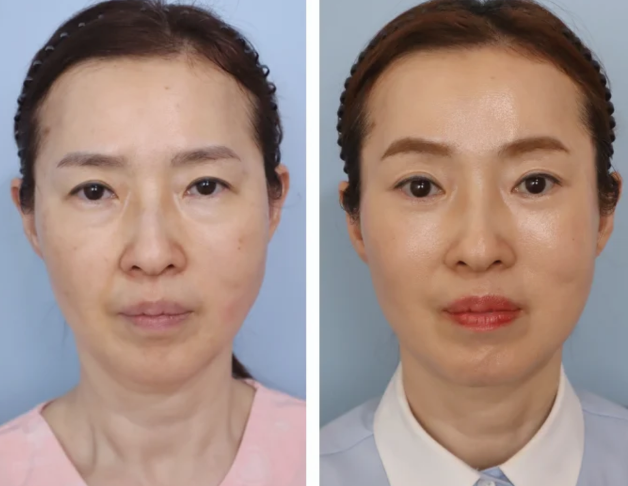
Korean Facelift Surgery: The Most Comprehensive and Long‑Lasting Anti‑Aging Solution

Korean Facelift surgery is one of the most advanced and reliable anti-aging procedures available today, designed to restore youthful facial contours by repositioning deeper facial tissues affected by aging. Unlike surface-level lifting treatments such as thread lifts, laser tightening, or radiofrequency procedures, facelift surgery directly targets the SMAS (Superficial Musculoaponeurotic System) layer—one of the most critical anatomical structures responsible for facial firmness and contour. Because aging occurs across multiple layers of the face, including skin, fat, fascia, and ligaments, a structural approach like facelift surgery offers results that are both natural and long-lasting.
✨ Anatomical Principles Behind Facelift Surgery
Facial aging is not limited to the skin. It progresses through deeper layers, including:
- Skin laxity
- Volume loss in fat compartments
- Weakening of the SMAS layer
- Loosening of retaining ligaments
- Muscle descent
Facelift surgery addresses these changes through a multi-step anatomical correction:
- Precise Incision
Incisions are made along the natural curves of the ear and hairline to minimize visible scarring.
- Skin and SMAS Elevation
The surgeon carefully separates the skin from the underlying SMAS layer to expose the structures responsible for sagging.
- SMAS Tightening and Repositioning
The SMAS layer is lifted and secured in a more youthful position, restoring facial support.
- Skin Redraping
Excess skin is removed, and the remaining skin is gently repositioned to avoid an overly pulled appearance.
- Contour Refinement
Jawline definition, cheek volume, and neck contour are restored, creating a balanced and natural rejuvenation.
This anatomical approach ensures that the face looks refreshed—not artificial or overly tightened.
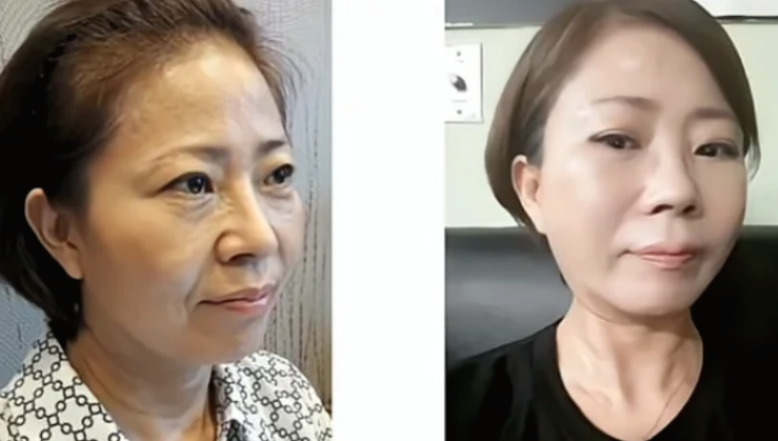
💎 Mini Facelift vs. Full Facelift: A Professional Comparison
Below is a clean, copy‑friendly comparison chart suitable for WordPress:
Category: Incision Range
- Mini Facelift: Limited incision in front of the ear
- Full Facelift Surgery: Extended incision from the ear to the hairline
Category: Correction Area
- Mini Facelift: Cheeks and nasolabial folds
- Full Facelift Surgery: Entire face and neck
Category: Recovery Time
- Mini Facelift: 1–2 weeks
- Full Facelift Surgery: 2–4 weeks
Category: Longevity
- Mini Facelift: Approximately 2–3 years
- Full Facelift Surgery: Approximately 5–10 years
Category: Ideal Candidates
- Mini Facelift: Early 30s to early 40s
- Full Facelift Surgery: Late 40s to 60s and beyond
Mini facelifts are suitable for mild sagging, but for individuals experiencing multi‑layered aging—jawline collapse, neck laxity, and cheek descent—a full facelift provides a more comprehensive and durable solution.
🧠 Why Facelift Surgery Is Considered the Gold Standard
1) Structural Correction
By lifting the SMAS layer, facelift surgery corrects the root cause of facial sagging rather than offering temporary surface improvements.
2) Natural Results
Because the deeper tissues are repositioned, the skin is not excessively tightened, resulting in a refreshed and natural appearance.
3) Long-Term Effectiveness
Most patients enjoy results lasting 5 to 10 years, significantly longer than non-surgical treatments.
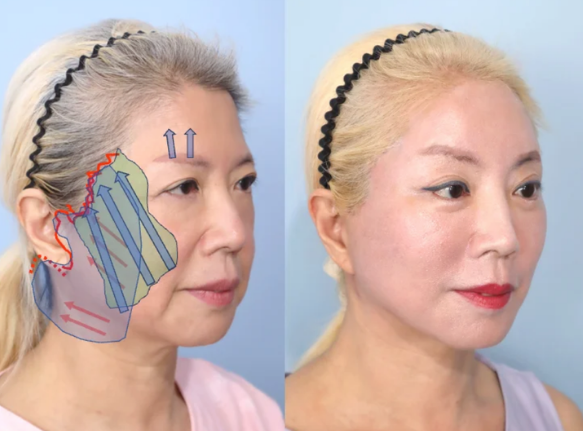
4) Comprehensive Improvement
A single procedure can improve:
- Nasolabial folds
- Jawline definition
- Neck sagging
- Cheek descent
5) Customizable Surgical Planning
Incision design, SMAS tightening direction, and tissue repositioning are tailored to each patient’s facial anatomy.
⚠️ Potential Side Effects and Important Considerations
Facelift surgery is safe when performed by an experienced surgeon, but it requires anatomical precision.
Possible Side Effects
- Swelling and bruising: Typically resolves within 1–2 weeks
- Temporary numbness: Due to nerve irritation, usually improves naturally
- Tightness: Common during early recovery
- Scarring: Usually minimal and hidden along natural lines
Pre‑Surgery Evaluation Checklist
- Skin elasticity
- Fat distribution
- SMAS thickness
- Neck laxity
- Smoking habits
- Previous lifting procedures
A thorough evaluation ensures optimal surgical planning and predictable results.
🌿 Recovery Timeline and Postoperative Care
Early Phase (Days 1–3)
- Cold compresses help reduce swelling
- Sleep with head elevated
Intermediate Phase (Days 4–14)
- Bruising fades
- Stitches removed
- Light daily activities resume
Stabilization Phase (Weeks 2–4)
- Tightness decreases
- Facial contours settle naturally
Long-Term Maintenance
- Avoid smoking and excessive alcohol
- Maintain hydration and sun protection
- Consider complementary treatments (RF, laser tightening) to prolong results
🩺 Expert Insight
Dr. Hyun‑Chul Kim of Kidari Plastic Surgery emphasizes that
“Facial aging after the mid‑40s typically involves structural descent across multiple layers. In such cases, a full facelift offers a more fundamental and predictable improvement compared to partial lifting techniques.”
He also notes that combining facelift surgery with fat grafting, thread lifting, or laser treatments can enhance three‑dimensional rejuvenation and produce more refined results.
📈 Current Trends in Facelift Surgery
✔ Minimal Incision Techniques
Modern facelift methods minimize scarring while still achieving deep structural lifting.
✔ Natural Rejuvenation
Patients increasingly prefer subtle, natural enhancements rather than dramatic changes.
✔ Combination Anti‑Aging
Facelift surgery is often paired with:
- Fat grafting
- Dermal fillers
- Laser resurfacing
to maximize facial harmony and longevity.
💬 Conclusion
Facelift surgery is not merely a cosmetic procedure—it is a structural rejuvenation technique that restores youthful contours by addressing the deeper anatomical layers responsible for facial aging. It offers natural, long-lasting results and remains the most comprehensive option for individuals seeking significant facial improvement.
If you are seeking noticeable and long-term rejuvenation, facelift surgery can be one of the most effective choices available.
🔗 Reference Links
- Kidari Plastic Surgery: https://beanpoleps.com/
- K Doctor Interview – Hospital Reviews: https://kdoctorinterview.com/